
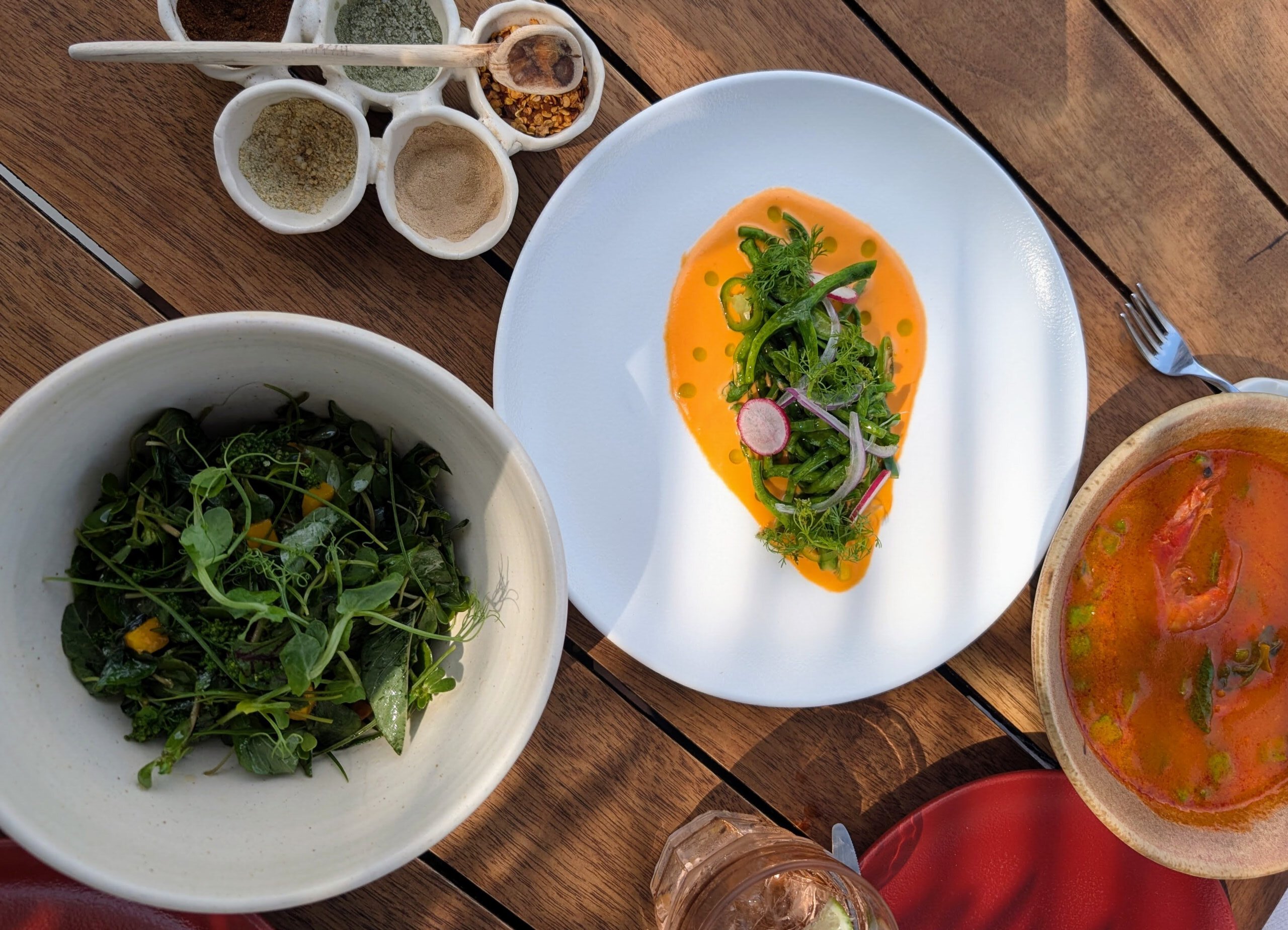
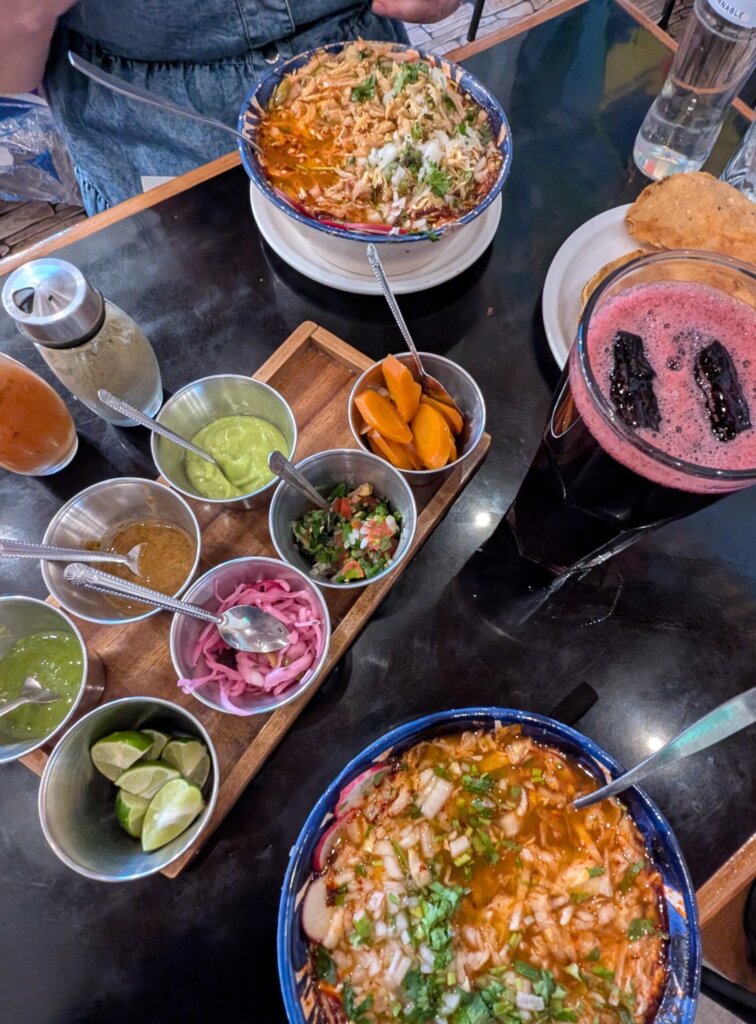
Oaxaca is irresistible, a center of Mexican art and tradition, Indigenous culture, and above all, food! This state is the culinary heart of the nation, and Oaxaca City offers up vivid food halls, ubiquitous street food, and a restaurant scene that rivals larger cities.
Our UnTour was a perfect way to taste Oaxaca. We sampled and helped prepare local dishes, toured bustling markets, and enjoyed our own kitchen, so we could actually buy from the food stalls and bakeries.
So pull up a stool, grab your shopping bags, or claim a rooftop table and let’s dish!
To Drink
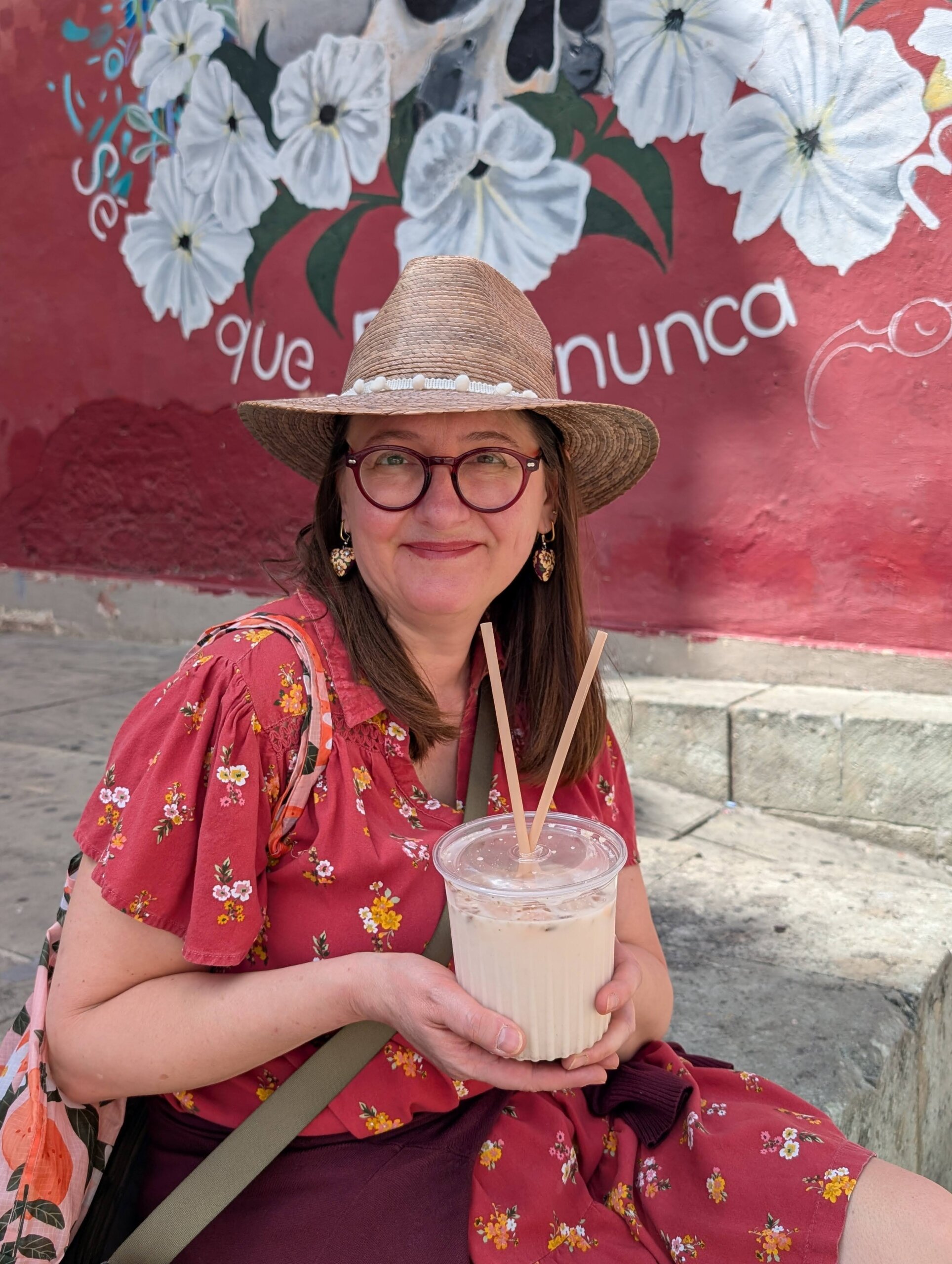
On the street, the large, brightly colored plastic jugs caught our eye. Agua fresca, fresh fruit-infused water, is a perfect way to refresh yourself on the go. Though I preferred horchata, a sweet rice drink with milk and cinnamon.
Tejate is a local staple, a drink made with toasted corn, cocoa flowers, and fermented cocoa. I regretted not trying the “drink of the Gods” earlier in my stay, as I ended up loving it. Give it a try and linger so you can drink it from a gourd!
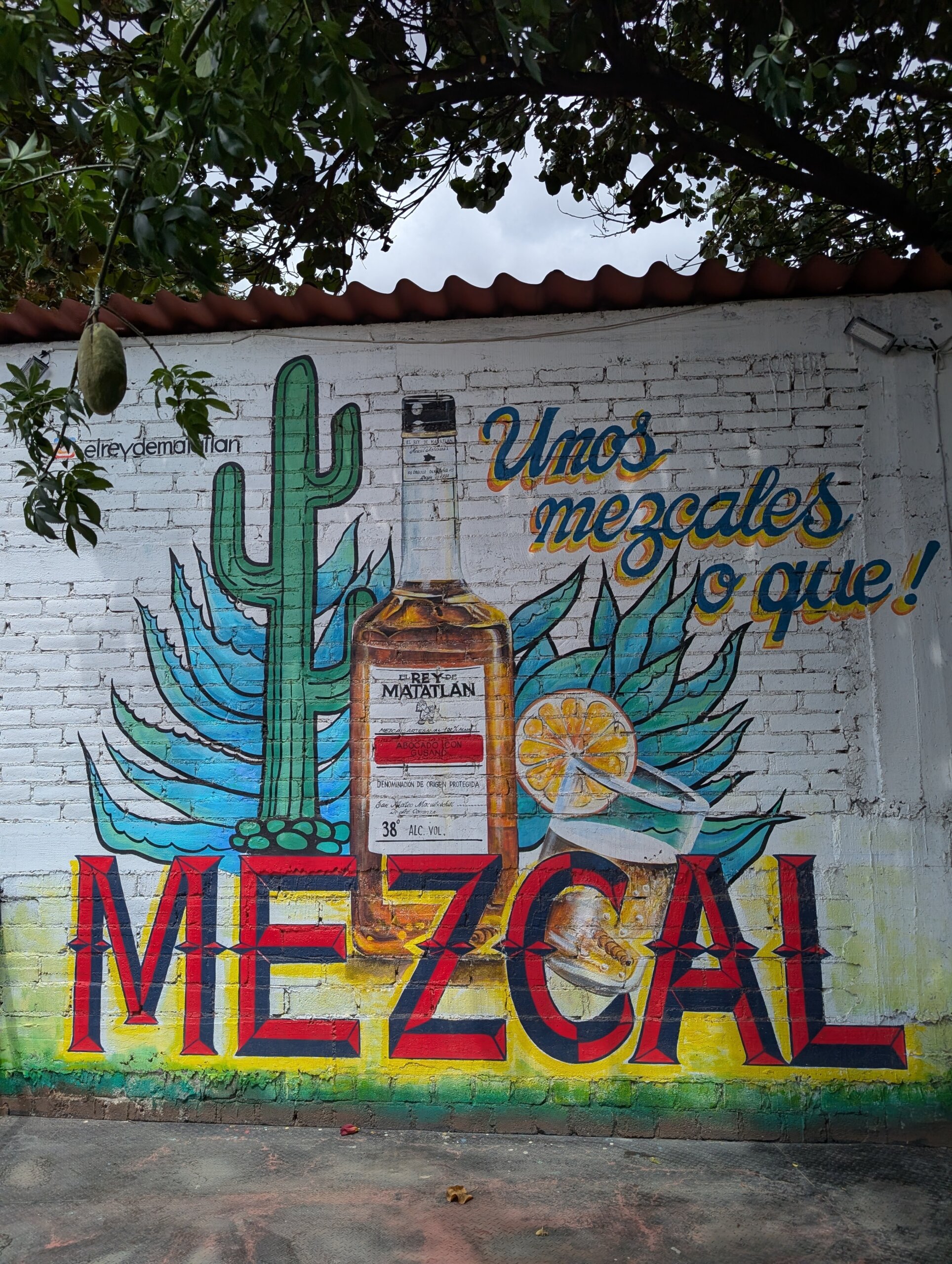
After hours, drink a good local mezcal. Oaxaca is the center of production, making about 90% of the world’s supply, and US market demand has put pressure on producers, biodiversity, and laborers. Learn more about the impact of maguey agave farming and support small, sustainable producers. Visit local makers to learn all about the smoky process and sample a variety of aged and flavored options.
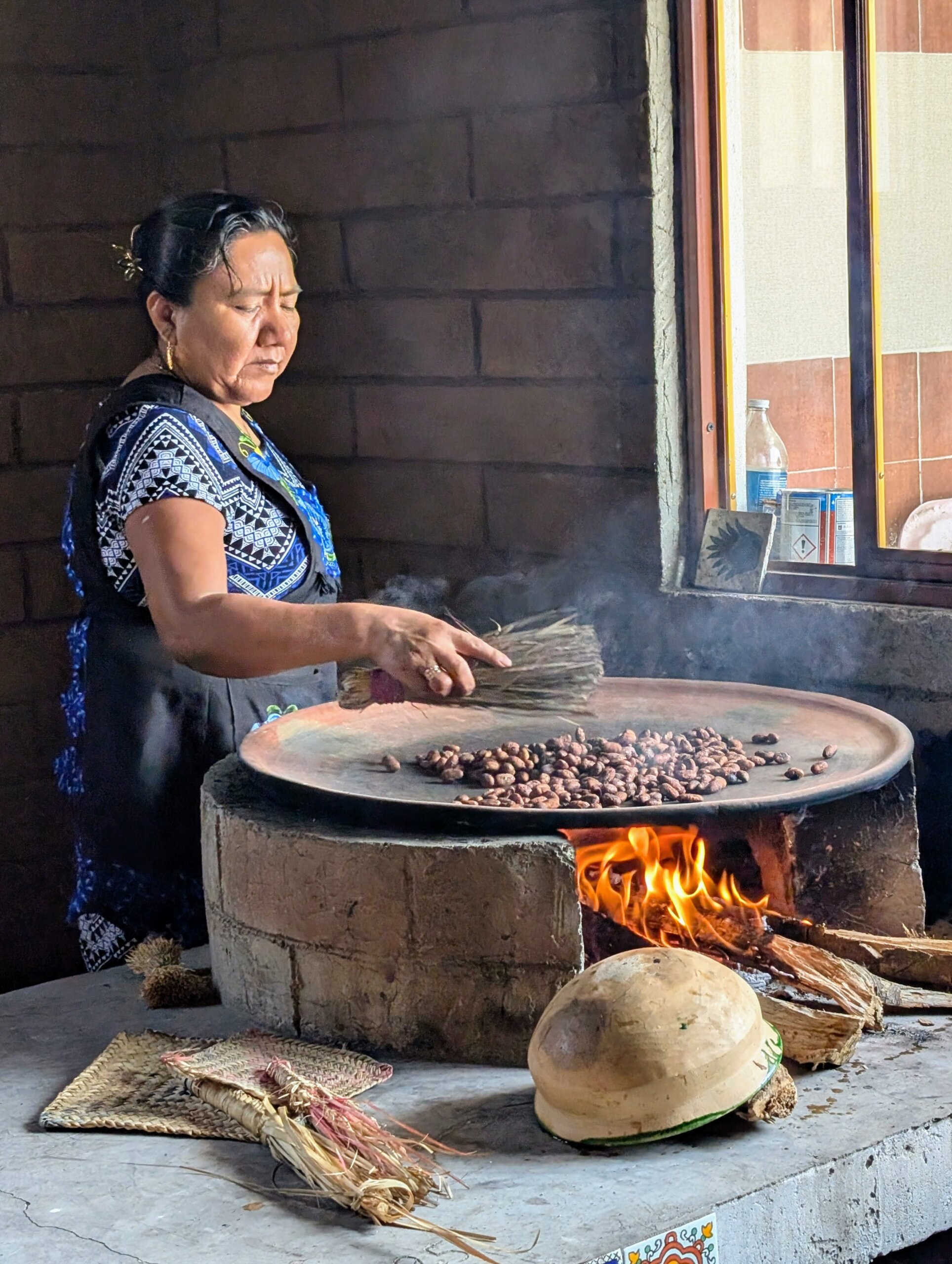
In the cafe try the local hot chocolate, more watery, and less sweet than what we drink, but very nice. Oaxaca is the heart of Mexico’s chocolate trade, though most of it is grown in Chiapas and Tabasco. Look for flavor variations that might include almonds, peppers, cinnamon, and other ingredients added to the grind.
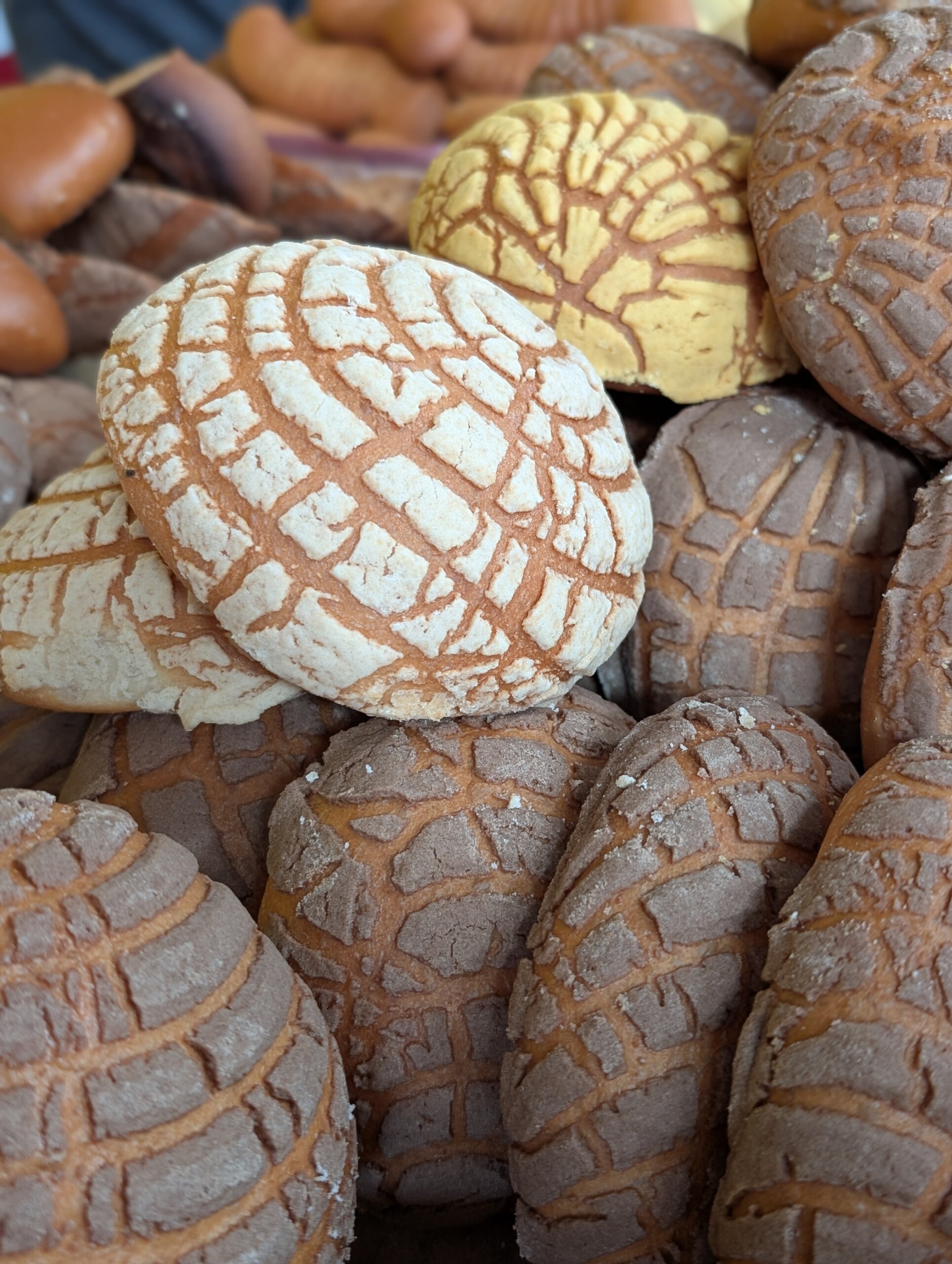
Dip pan de yama, a sweet breakfast roll, into your cocoa for breakfast. Or use the metal tray and tongs to grab breakfast to go from a local bakery.
Mexican coffee is excellent! Cafes throughout the city offer an oasis from the heat and a variety of coffees grown in Oaxaca, Chiapas, and other regions. Pluma Hidalgo is the center of coffee production in Oaxaca state.
I enjoyed sipping my first cup of locally roasted coffee each morning in the garden at my UnTours home. I recommend Cafe Nuevo Mundo.
Street Food and Snacks
Street corn is a must, slathered in mayo, sprinkled with crushed pepper, cheese, and lime juice. Elote is easy to find in street stalls, though if you prefer a less messy option, order esquites (or en vaso) and enjoy the same combo with cut corn in a cup.
Memelas are another favorite light lunch, a variation on tortillas, smaller and a little thicker, with a soft inside and an earthy flavor. They are made from corn masa and are commonly topped with beans, meat, cheese, veg, and other goodies.
We grew fond of alegrias, sweet seed cakes. The traditional variety has pre-Columbian origins and includes popped amaranth and nuts. I loved the pepita cakes — perfect to carry in your day bag for a quick energy boost.
Moles and the Traditional Kitchen
To understand Oaxaca, you need to consider the Zapotec and the many other indigenous peoples whose traditions live on, even in the kitchen.
The Oaxaca UnTour includes a cooking class where we got insight into the inner workings of a traditional kitchen and learned about the process to make hot chocolate, mamelas, mole, and tamales from an instructor with indigenous roots.
We learned that the comal is central, a wide flat round surface that lets the chef toast, roast, and cook over a fire. Made of steel, iron, or clay, its griddle-like surface is ideal for toasting peppers or making tortillas.
The metate is also essential and ancestral, a heavy-duty grinding stone that is often handed down over generations. Kitchens like our instructors’ may have multiple ones for different ingredients to avoid crossing of flavors — chocolate, peppers, corn.
The making of a real mole requires both and a boatload of varied peppers, nuts, spices, seeds, and vegetables. Though many of the ingredients used today come from the colonial spice trade, evidence of the first thick mole sauce dates back to 200 BCE in Monte Albán. (The Oaxaca UnTour also includes a dazzling day trip to the ruins of this ancient Zapotec city.)
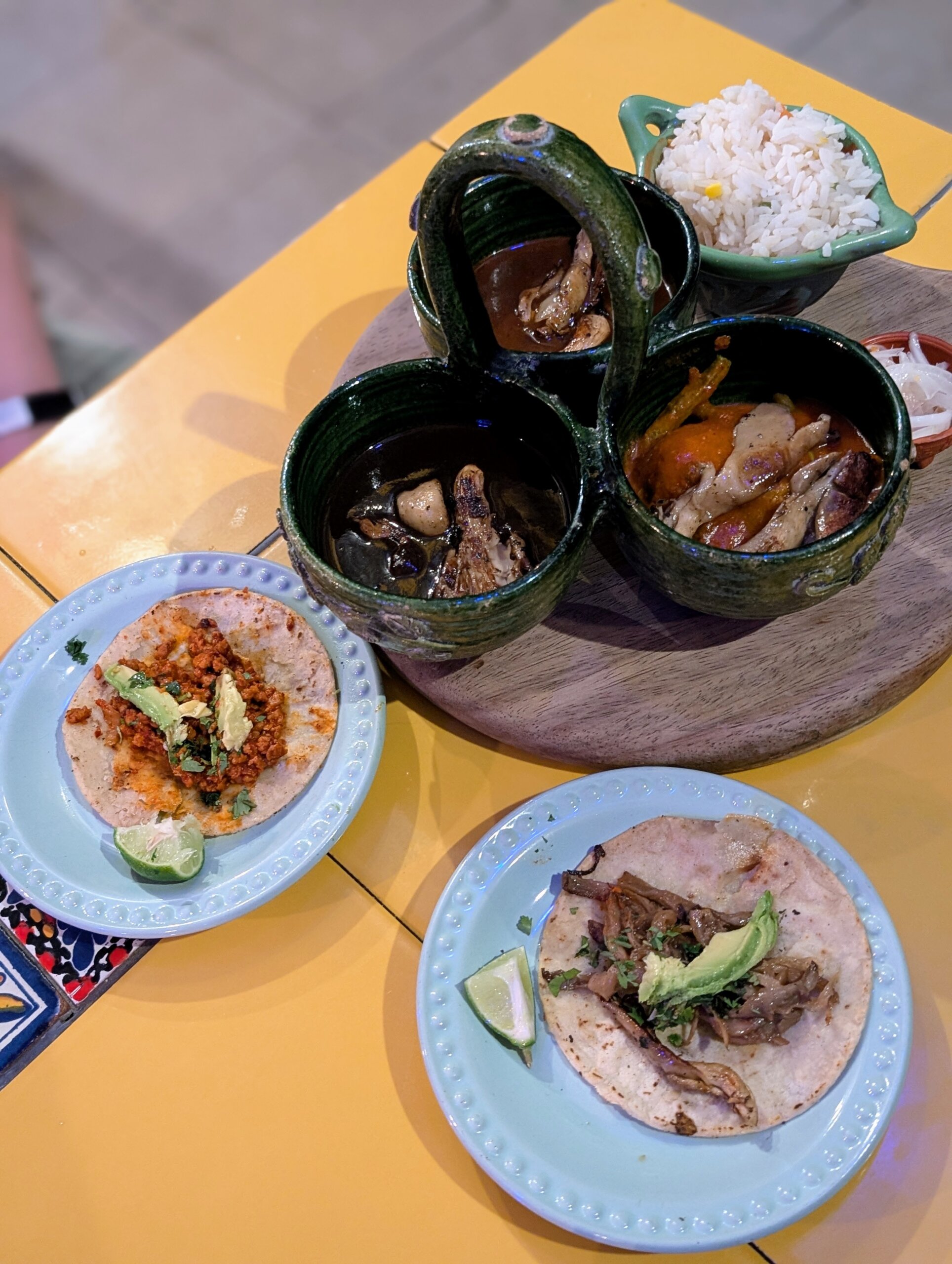
In our cooking class, we savored two types of homemade mole, but you can find samplers on local restaurant menus. The most common varieties:
Mole negro, the sweet black-purple variety most common in the US. Chocolate makes it sweet on its own, but it works alchemy on chicken.
Mole Amarillo (yellow) is light and tangy, a nuanced flavor layered with peppers and corn. It works well on vegetables.
Mole Rojo (red) is in between, earthy and mildly sweet with its mix of peppers, nuts and seeds, and a hint of chocolate, good on pork or chicken.
Other varieties you might see include Manchamantel, the tablecloth stainer, and Mole Verde, made with pepitos (pumpkin seeds), tomatillos, and herbs for a vegetal freshness. The elusive Mole Bianca is white from heavy proportions of almonds and onion.
Other Local Favorites
On my hunt for ceviche, I found a charming seafood restaurant around the corner from our UnTour home base that served some of the best I have ever tasted — a variety of acid-marinated fish in preparations that were beautiful and inventive. CardOmen Cevicheria was an absolute delight!
As the Oaxaca UnTour runs year round, you may crave the warmth of soup. Even in spring, we enjoyed pozole, a hearty delicacy that originated in the Mixotec highlands. Royero’S TacoS Colon was a short walk from our apartment and offered all the fixings.
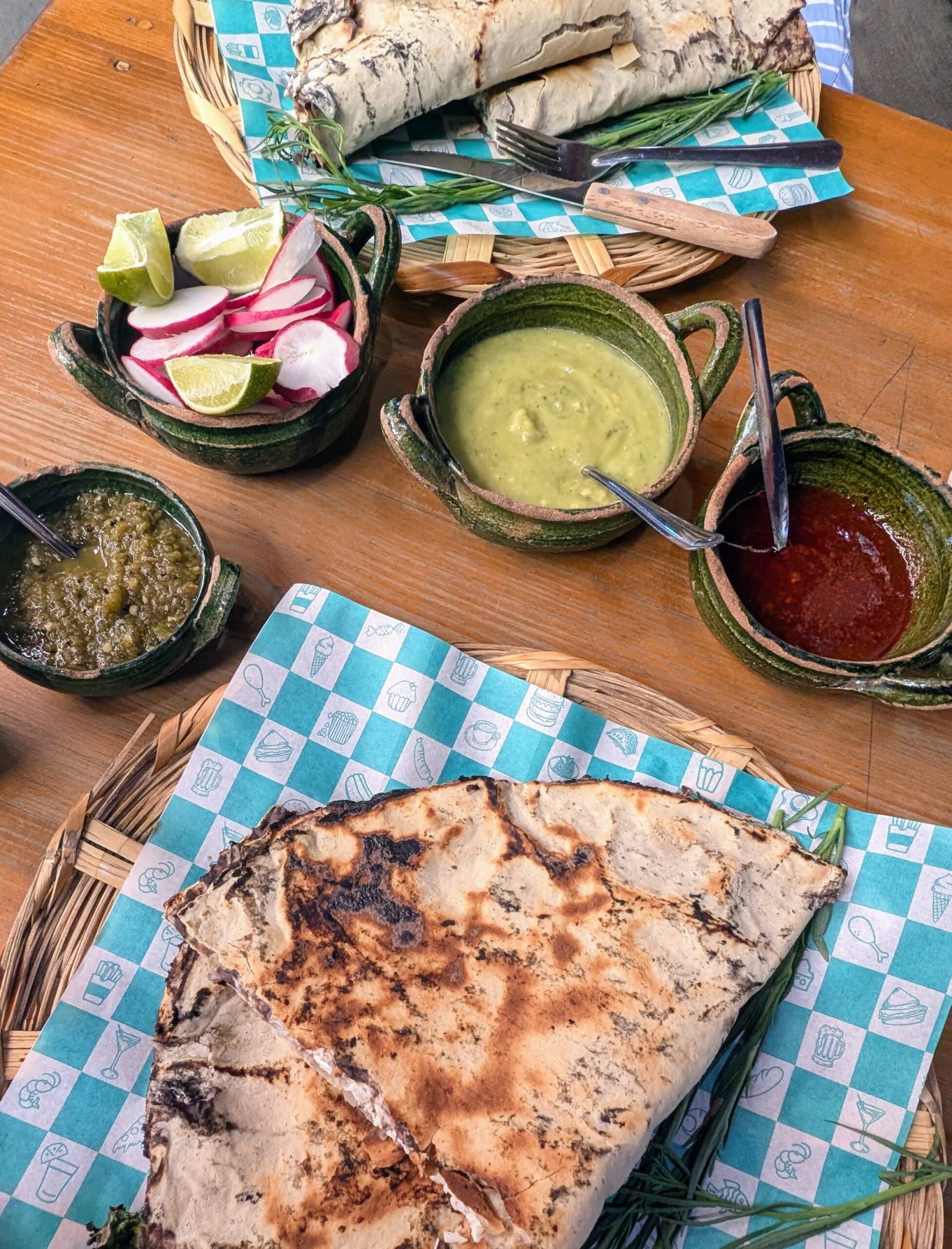
Tlyudas are such an emblem of Oaxacan cuisine you can buy plastic keychain likenesses. We thought of it as Mexican pizza, a massive tortilla prepped with beans and Oaxacan cheese and topped with any number of meats — an inexpensive belly filler.
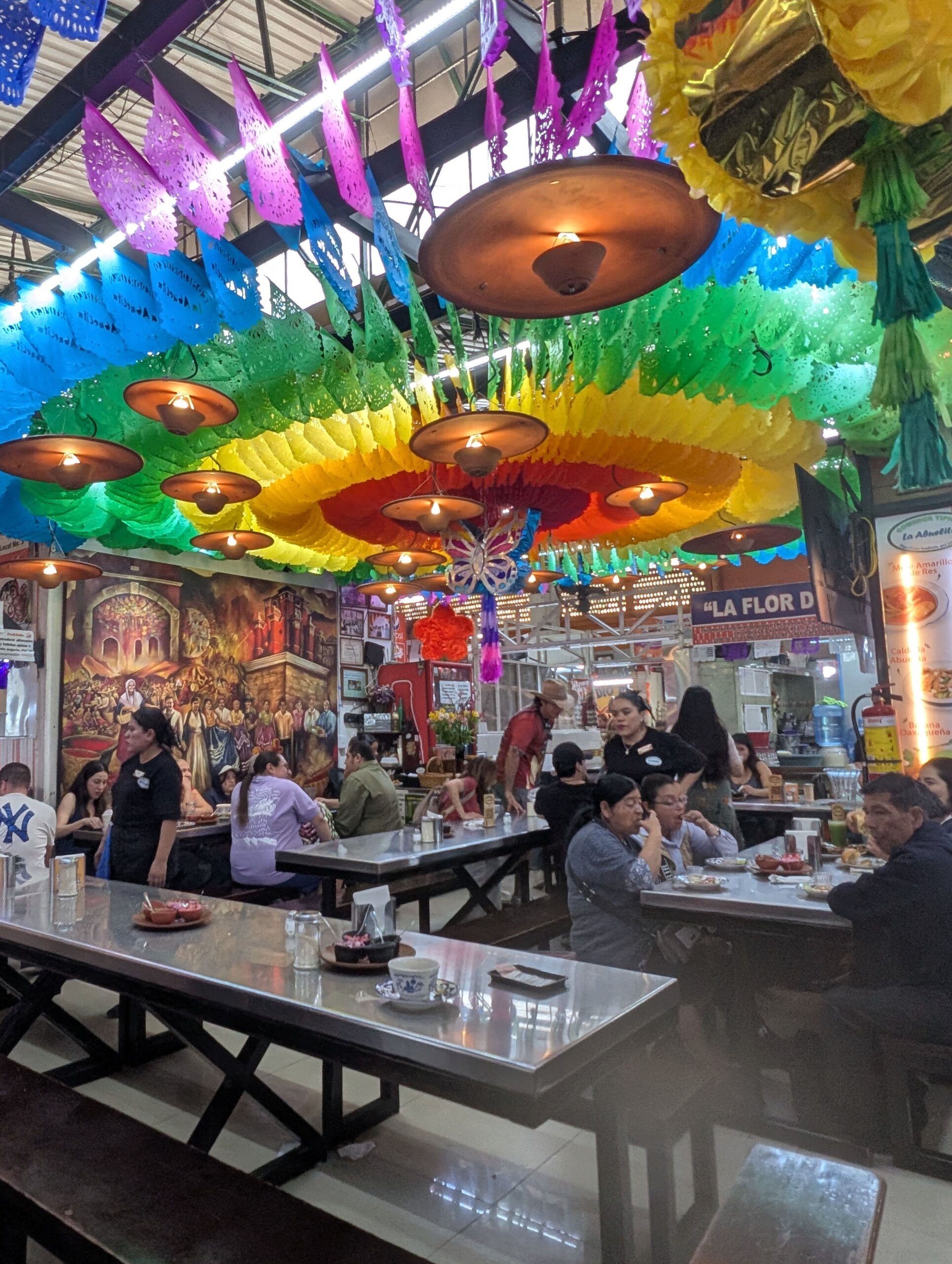
And a quick moment to mention how utterly charming and inviting the restaurants of Oaxaca are, from hidden garden seating to scenic rooftop tables in the historic center, or a neighborhood hole-in-the-wall that happens to have an eye-popping Day of the Dead mural inside. Eating out was pure joy!
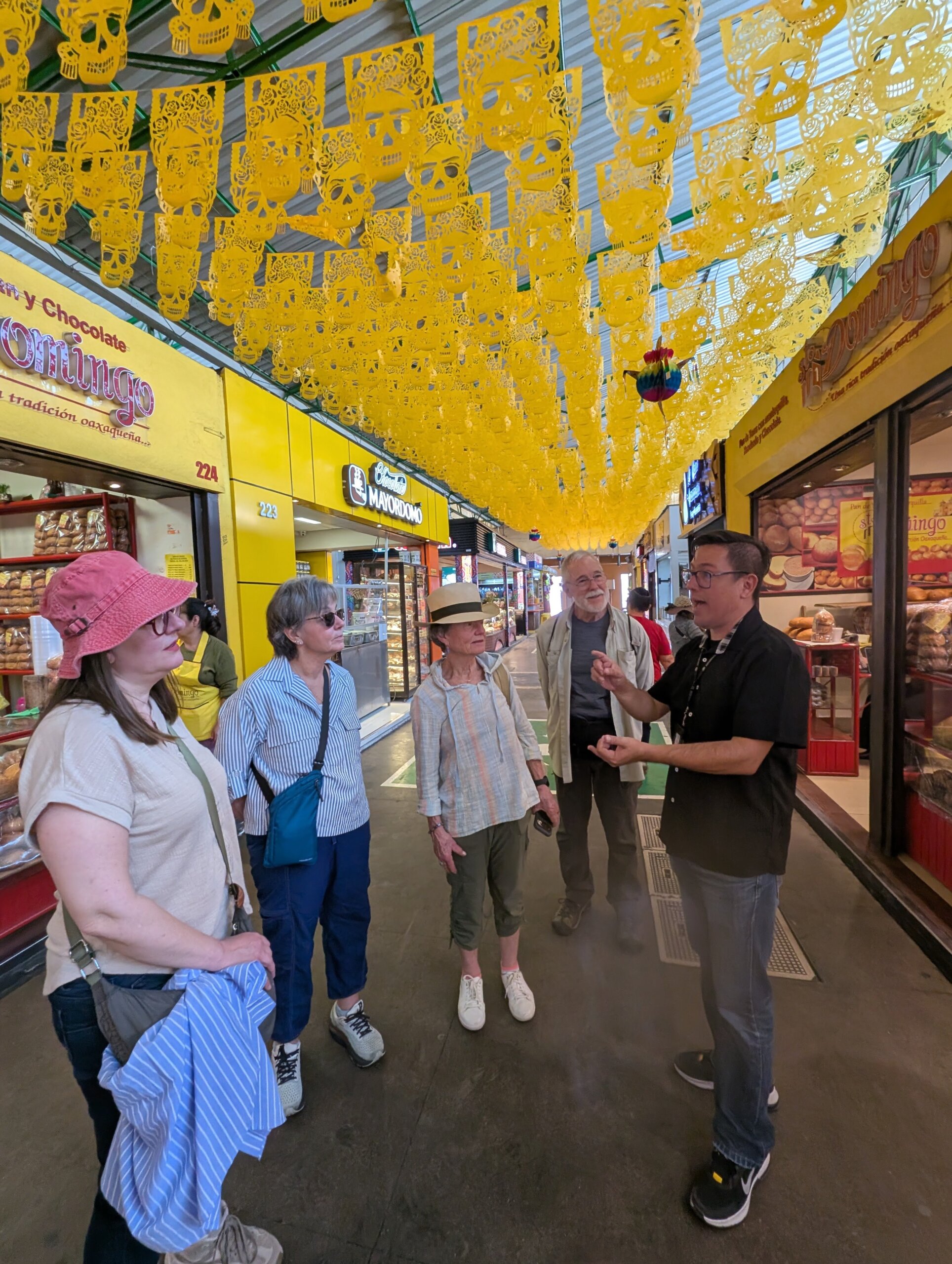
To Market
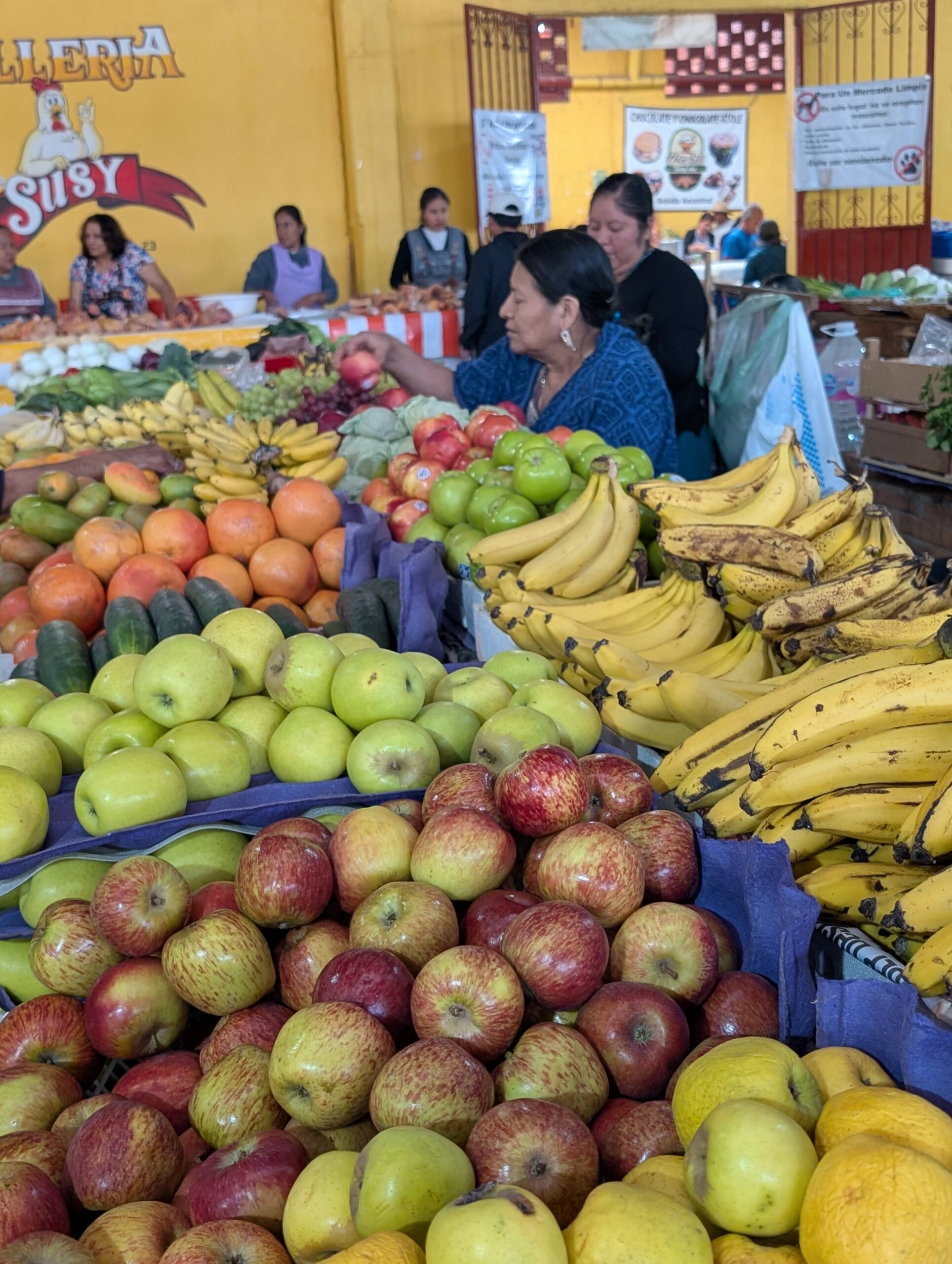
The variety of fresh fruits and vegetables is mind numbing. We enjoyed ripe mangoes and tuna (that’s a prickly pear, not fish). Squash blossoms were in season; I learned to love them on Italian Untours, but the Mexicans make their own magic with the bright yellow blooms.
Corn and peppers loom large in the local diet and have for millennia, and you’ll be wowed by the vast variety of both for sale in shops and market stalls.
I don’t eat meat, but if I did, I would send you to Pasillo de Humo (the smoke hall), in the Mercado 20 de Noviembre, where you can order a variety of meats to be cooked over open flame for you while you wait.
Oaxacan cheese is a savory specialty that pulls apart like string cheese and melts well. Locally, it is simply called quesillo, and you can buy yourself a length of it, unspooled from a massive ball.
I prefer to leave the places I love with something undone, a specific reason to return. I’ll be back for another Oaxaca UnTour, with my family or even solo. The combination of cultural programming and free time would be perfect for a week on my own.
On all my strolls through the food halls, I never got around to tasting chapulines, toasted grasshoppers seasoned with salt and spice. I’ll need to work up my courage to try some when I return!
Ready to taste your way through Oaxaca? Our Flavors of Oaxaca small group UnTour is an invitation to immerse yourself in the culinary and cultural epicenter of Mexico for a full week alongside fellow food lovers.