
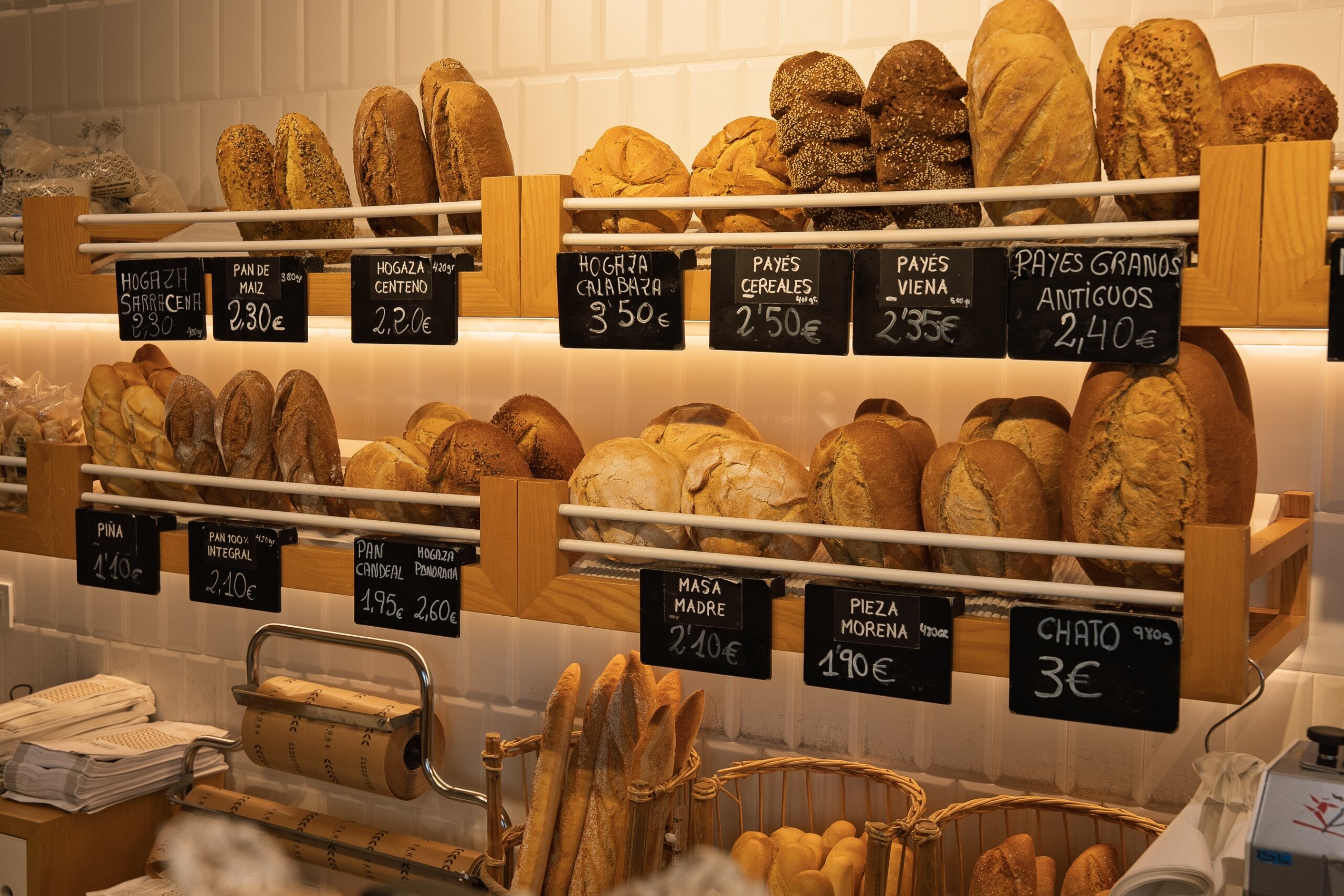
The bakery around the corner
Ask travelers what they remember about Andalusia and you expect to hear about the Alhambra. Maybe the striped arches of the Mezquita. For one UnTourist couple, Gary and Chris Rice, the real highlight was the local bakery and what it taught them.
We loved touring the Alhambra and the Mezquita. But what really stays with us is a little bakery around the corner from our apartment and an UnTours host who changed how we eat breakfast.
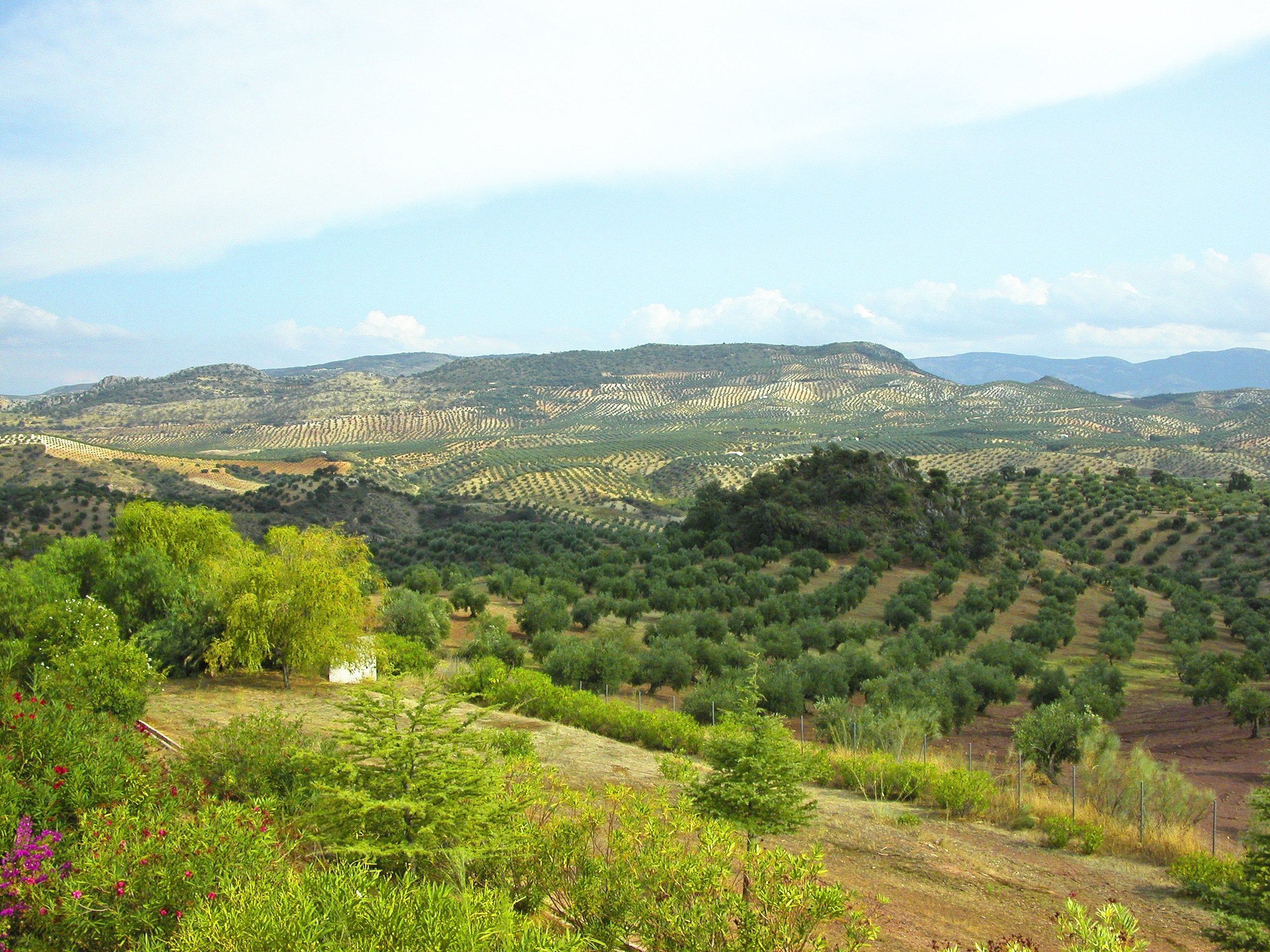
Their homebase was Priego de Córdoba, a whitewashed town tucked into the olive-covered hills of the Sierras Subbéticas. It’s the kind of place where the baroque churches are grand, the lanes are narrow and the neighbors notice when someone new starts walking past each morning.
The bakery wasn’t on a main street. It sat in a quiet row of homes, with a small display case just inside the door and a young woman behind the counter. No Spanish on one side, no English on the other.
My wife used hand motions and a lot of smiles. And little by little, each day, the two of them started greeting each other like friends. It was so genuine. That only happens when you stop rushing and give a place a chance to know you.
This is the quiet magic of unpacking once. When you stay put, the same door becomes your door. By the third morning someone remembers your order. By the fifth, you’re trading waves across the counter like regulars.
The host who wouldn’t take a cent
One morning, while waiting for their bread, they bumped into one of our UnTours hosts. He wasn’t even their host. He ran a small guesthouse nearby, and within a few minutes he’d invited them back for breakfast. He had something he wanted them to try.
Fresh bread. Good olive oil. That’s it.
I know it sounds trivial. We’d only ever thought of olive oil and bread as a dinner thing, with a glass of red wine. He poured it over warm bread like it was the most natural thing in the world. And when we tried to pay him, he wouldn’t hear of it.
What he said next is the line they still repeat at home:
Not everything we do for each other should be a transaction.
Here’s the thing about that breakfast. In Priego, olive oil is not a condiment. It’s a point of pride. The town’s oil carries its own protected designation of origin, and locals talk about this year’s harvest the way other places talk about wine. So when a neighbor pours you a little at breakfast, he’s sharing something close to home.
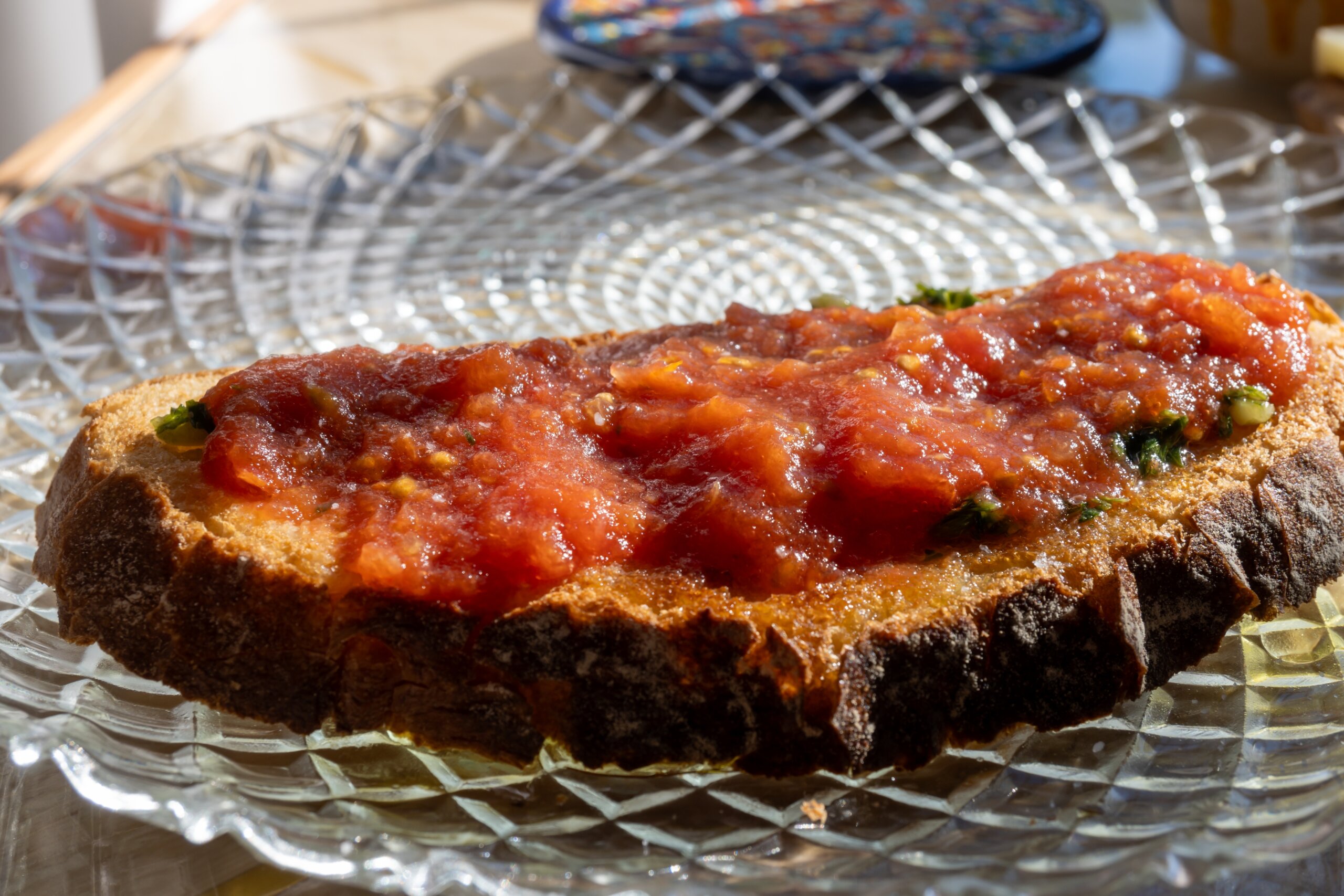
How Andalusia eats its bread: a field guide
In southern Spain, bread is never just a side. It’s breakfast, it’s the base of a soup and it’s what turns yesterday’s leftovers into tonight’s dinner. Here’s what to look for.
- Tostada con tomate y aceite. The Andalusian breakfast. Toasted bread, a generous pour of olive oil and fresh tomato grated into a pulp and spooned on top. (In Catalonia they rub the tomato on. Here they grate it. Locals have opinions.) Ask for a media if you want a half portion and room for a second café.
- Mollete. A soft, floury flatbread roll that’s Antequera’s gift to the morning. Split it, toast it and dress it with oil, tomato or a few slices of jamón.
- Salmorejo. Córdoba’s pride and joy. Tomato, day-old bread, garlic and olive oil blended until it’s thick and velvety, then topped with chopped egg and jamón. Priego sits in Córdoba province, so you’re on home turf. A good one is thick enough to hold a breadstick upright. Our UnGuide, Pablo, will teach you his family’s recipe.
- Gazpacho and ajoblanco. Long before tomatoes arrived from the Americas, field workers pounded bread, oil, garlic, and water together to beat the heat. Ajoblanco keeps that older spirit alive with almonds instead of tomato, usually served with a few green grapes.
- Migas. Day-old bread, crumbled and slowly fried in olive oil with garlic, peppers, and often chorizo. It’s shepherd food and the classic answer to a rainy day.
- Picos and regañás. Crunchy little breadsticks and crackers that appear next to your tapas without being asked for. Consider them edible punctuation.
- Torrijas. Spain’s answer to French toast and a Holy Week favorite. Bread soaked in milk or wine, fried and finished with honey or cinnamon sugar.
Notice a theme? Nothing goes to waste. Fresh bread becomes breakfast, stale bread becomes soup and crumbs become dinner. It’s a very old kind of kitchen wisdom, and it’s delicious.
Finding your own bakery around the corner
You can’t book a moment like this one. But you can make room for it. A few tips from our Andalusia regulars:
Start by going early. Neighborhood bakeries bake for the neighborhood, so the best loaves are gone by mid-morning, and many places keep short hours on Sundays. Bring three phrases with you: buenos días, un pan, por favor and gracias. Smiles and hand motions will cover the rest, as our travelers can confirm.
Then go back tomorrow. And the day after that. Being recognized is the whole point. If you’re not sure where to begin, ask your UnGuide where they buy their bread. Not where tourists buy bread. Where they do.
If your calendar allows, time your visit with the harvest. Olive picking runs roughly November through January, when the new oil is bright green and pleasantly peppery, and it’s worth asking about mills near Priego that welcome visitors for a tasting. Before you leave, tuck a bottle into your suitcase and wrap it well. Then pour it over warm toast some Tuesday morning back home and see where your mind goes.
Most trips are measured in sights. The best ones are measured in mornings: the same door, the same smile and a neighbor who insists you try something his way. When you unpack once and let a place get to know you, small things stop feeling small.
Curious what a week of mornings in Andalusia could feel like? Explore our Andalusia UnTours and start picturing your own bakery around the corner.