
Our UnGuide and Director of Product, Jon Berrocal, on Spain’s first total solar eclipse in more than a century, our first-ever total solar eclipse UnTour in the Basque Country and why the sky was only half the story.
Thirty seconds of silence
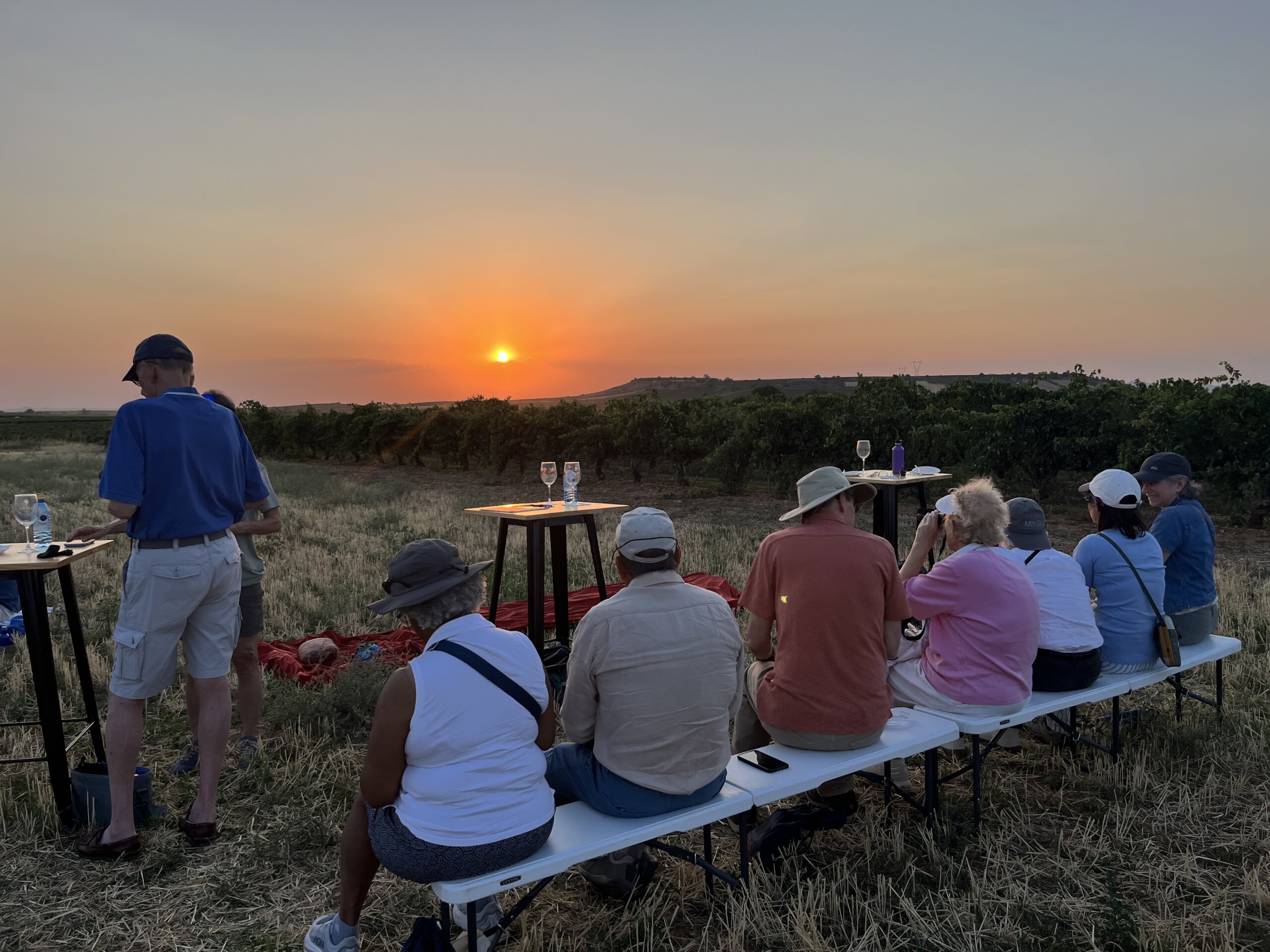
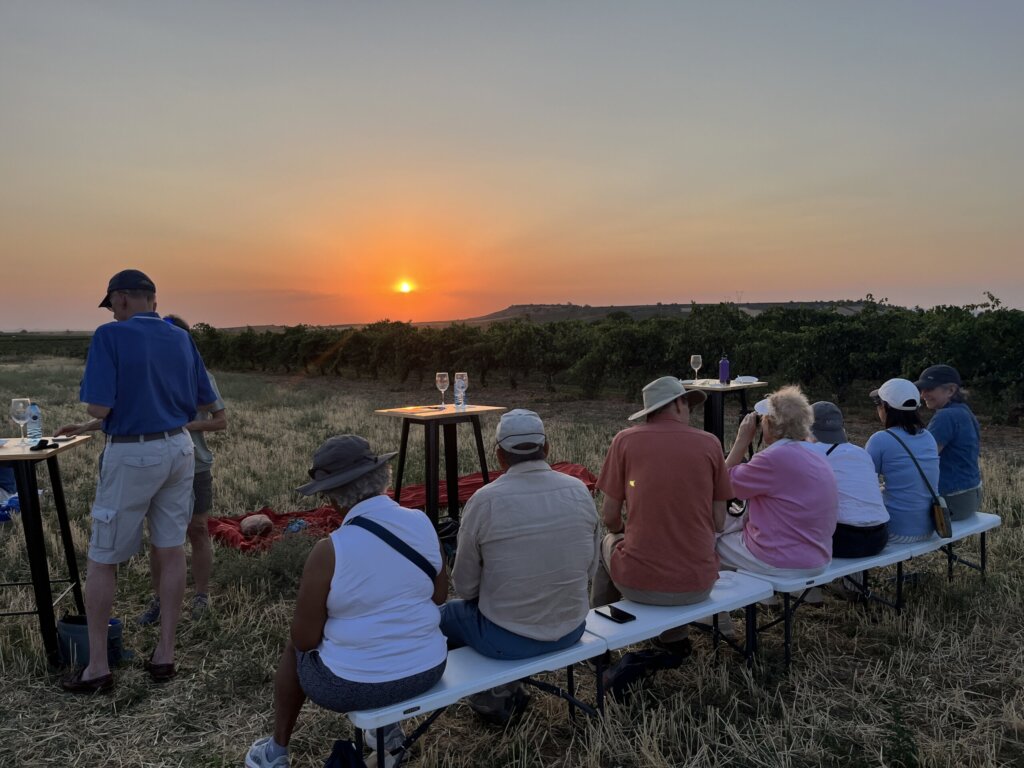
Picture this. About a hundred of us stand among the vines in La Rioja, glasses in hand, the Sierra Cantabria glowing on the horizon. Then the light turns strange and gray, as if someone turned the color down on the world.
The birds stop. The animals go quiet. The shadows on the ground ripple. And when the moon slides across the sun, nobody says a word.
For thirty full seconds, a hundred people went completely silent. Then, past the one-minute mark, it broke: cheering, shouting, strangers hugging and more than one set of damp eyes. Mine included.
It was Spain’s first total solar eclipse in more than a century, and the heart of our first-ever eclipse UnTour.
What would the ancients have thought?
Standing in that silver half-light, my mind wandered. We knew exactly what was happening. We had apps, charts, cameras and glasses, of course. But what about the people who stood on these hills a thousand years ago?
Imagine working the land when the sun simply goes out. The birds fall silent, the air cools and nobody can promise it will come back. No wonder so many cultures saw a hungry beast or a message from the gods. Our silence in the vineyard felt like a small echo of theirs.
A whole day for the senses
I never wanted the eclipse to be the only thing people remembered. An eclipse lasts a minute or two. A day in La Rioja and a full week in the Basque Country stays with you for years. A lifetime. So I built the day around all five senses and let the sky be the finale.
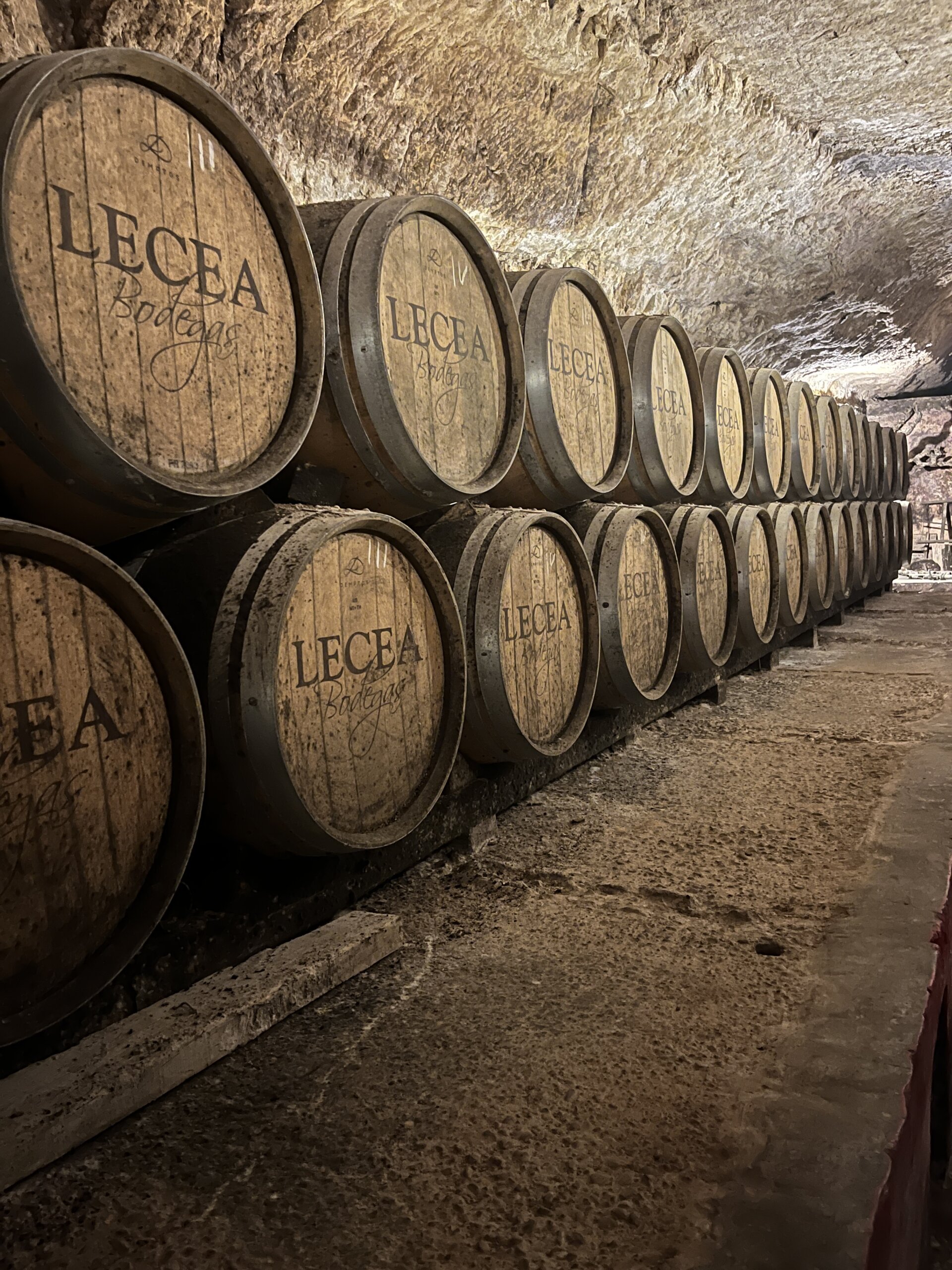
We spent it with a winery run by the same family for generations. Our hosts led us into 16th-century underground cellars, a living museum where we tasted wine at cave temperature. Then we stopped at a stone wine bar for a few more pours, then took a short ride out to the vines.
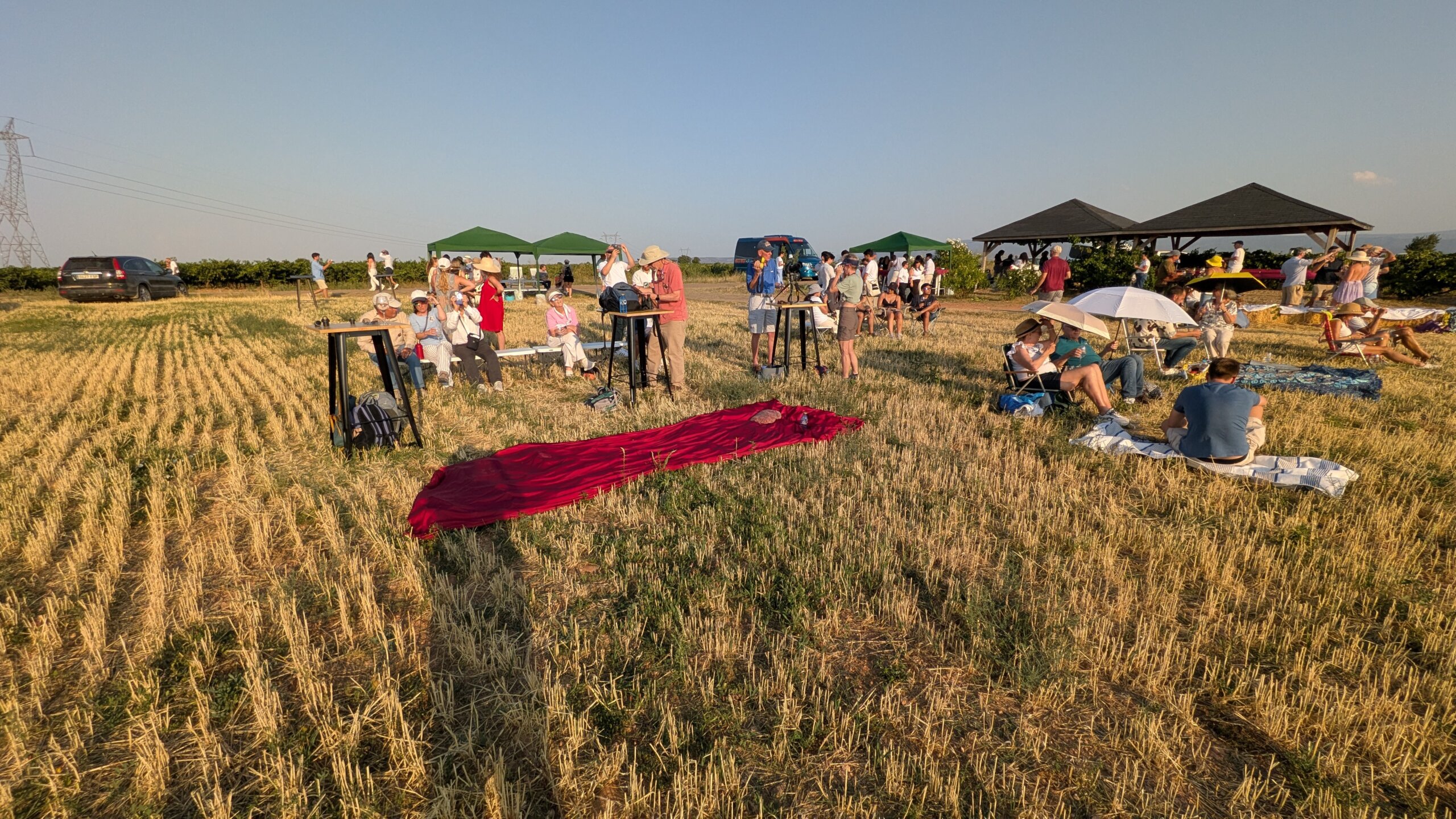
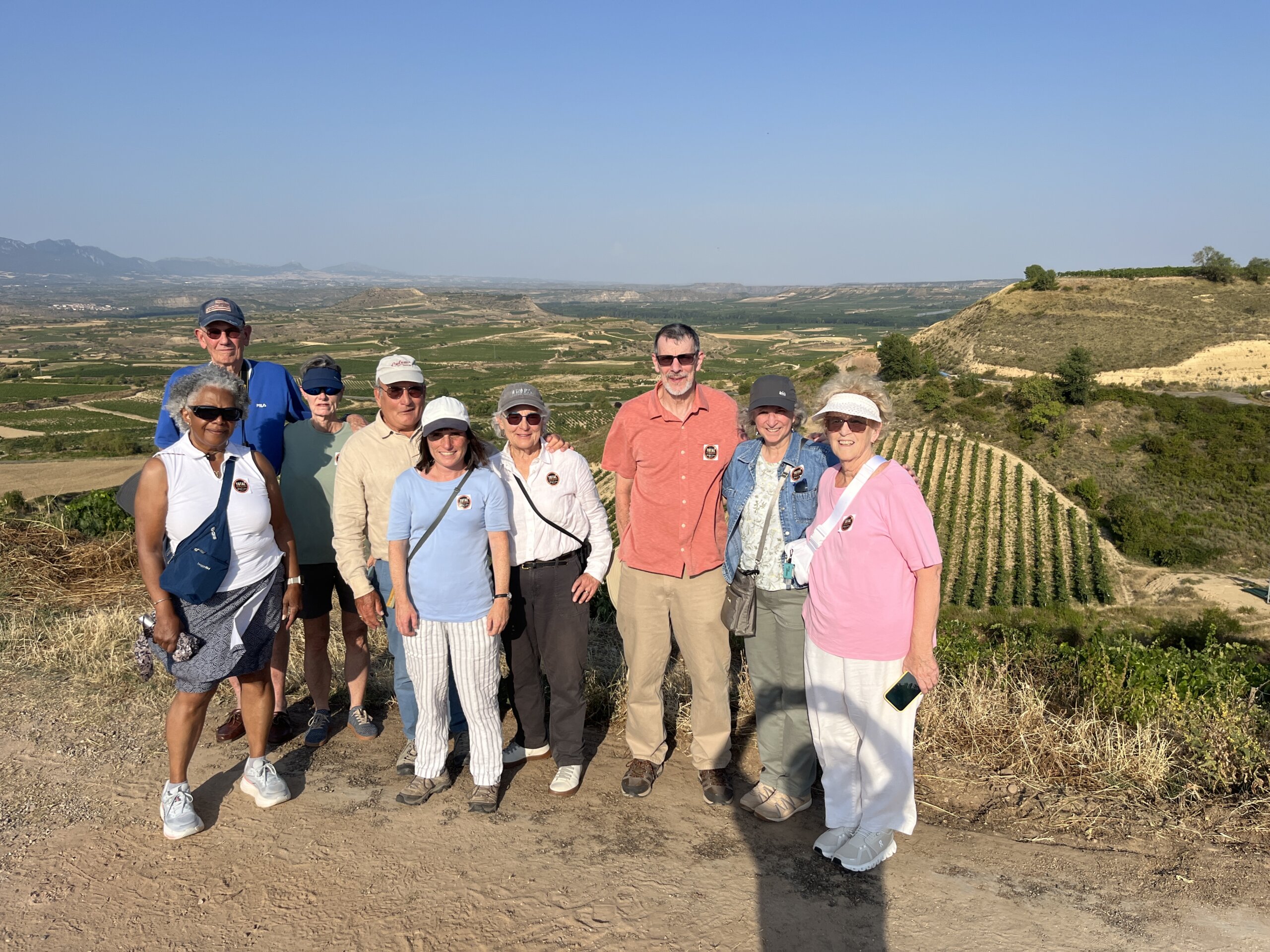
Guests plucked grapes straight off the vine and took in the view across the Rioja plateau to the Sierra Cantabria. Under shaded pergolas, we settled into an easy picnic of red and white wine (all you can drink), seasonal foods including cold melon, with a local musical duo playing softly.
Unsider tip: in a Rioja cellar, taste the wine where it rests before you taste it in the sun. The cool, steady cave brings out flavors that fade once the glass warms.
When the eclipse became the bonus
On the three-minute ride to the vineyard, the wife of a university astronomy professor told me the winery and our days as a small group were so special the eclipse hardly mattered anymore. Months of planning jitters melted right off my shoulders.
She wasn’t the only one. One retired professor 3D-printed his own glasses with custom solar filters. One family rigged a camera with eclipse plates. These are people who travel the world for totality, and several told me the day felt almost as big as the main event.
I think it came down to how relaxed everyone was. The winemaker, their partner, their three kids and a few cousins joined us under the pergolas. It felt less like a tour and more like a long family lunch with a finale that left us in awe. On the bus back to Bilbao, guest after guest said it felt warmer and more familial than any winery they’d visited.
I’ll admit I was nervous. You can plan the wine, the music and the picnic, but you can’t book the sky. The eclipse sat low on the horizon and forecasts were thin, so I had to let go and trust nature to do its part. It has been putting on this show for millions of years without my help.
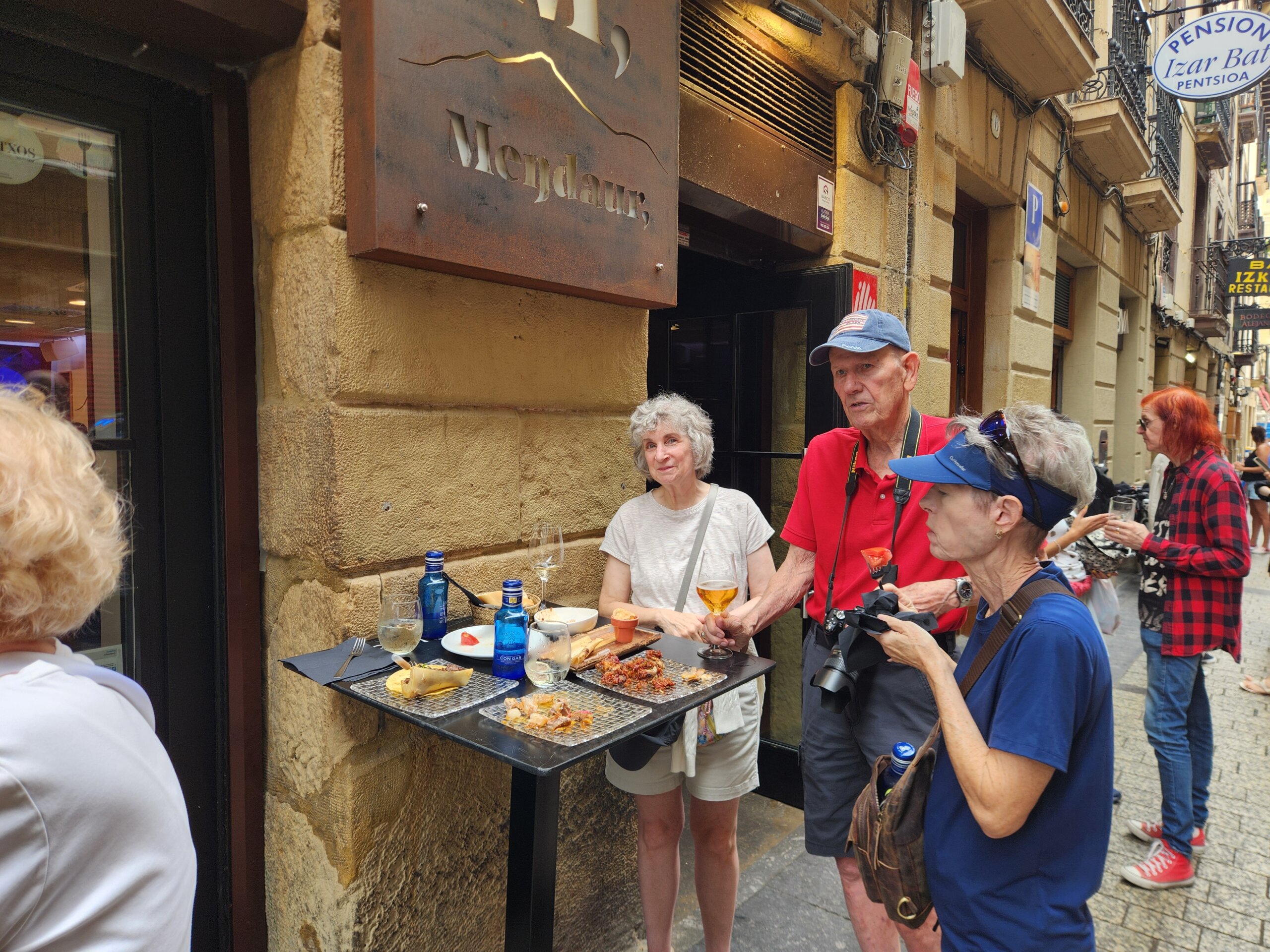
That day the stars really did align, and so did the whole week. From a pintxos crawl through San Sebastián to the Guggenheim in Bilbao to long walks along the wild Basque coast, every experience set the stage for the eclipse and made it even more meaningful.
Next stop: Andalusia, August 2027
Spain waited more than a century for one total eclipse and gets a second just a year later. On August 2, 2027, the moon’s shadow sweeps across southern Spain, and we’ll be there.
Our homebase is Priego de Córdoba, a whitewashed hill town among olive groves. It sees about 98% coverage, so on eclipse day we’ll head an hour and a half south to the coast near Marbella and Benalmádena for roughly three and a half minutes of totality. That’s more than twice what we had in the Basque Country.
Same idea as Rioja: come for the eclipse, stay for everything else. The food, the history, the culture and the people who make Andalusia feel like home.
Two insider tips for an Andalusian August:
- Live on local time. Locals head out early, rest through the afternoon and come alive after dark. Our days follow the same rhythm, starting with the Mezquita-Catedral of Córdoba while it’s peaceful and cool.
- Order the salmorejo. Córdoba’s cold, velvety tomato soup, topped with jamón and chopped egg, tastes like a gift on a warm day.
The sky gives you a few unforgettable minutes. A place gives you everything around it. I’d love for you to share both with us in Andalusia. If you missed the 2026 eclipse or you want to join us again in 2027, we would love to welcome you!
See you under the shadow,
Jon